Accuracy matters more than preserving an old version of a page. When PlusGBUK identifies a material error, we correct it.
What counts as a material correction
A material correction changes information that could alter a reader’s understanding of the subject. Examples include an incorrect medical claim, the wrong legal status, a misleading statistic, an inaccurate description of a study or an error that materially changes the stated risk.
Minor spelling, grammar, formatting and broken-link repairs may be made without a formal correction note when they do not change meaning.
How corrections are handled
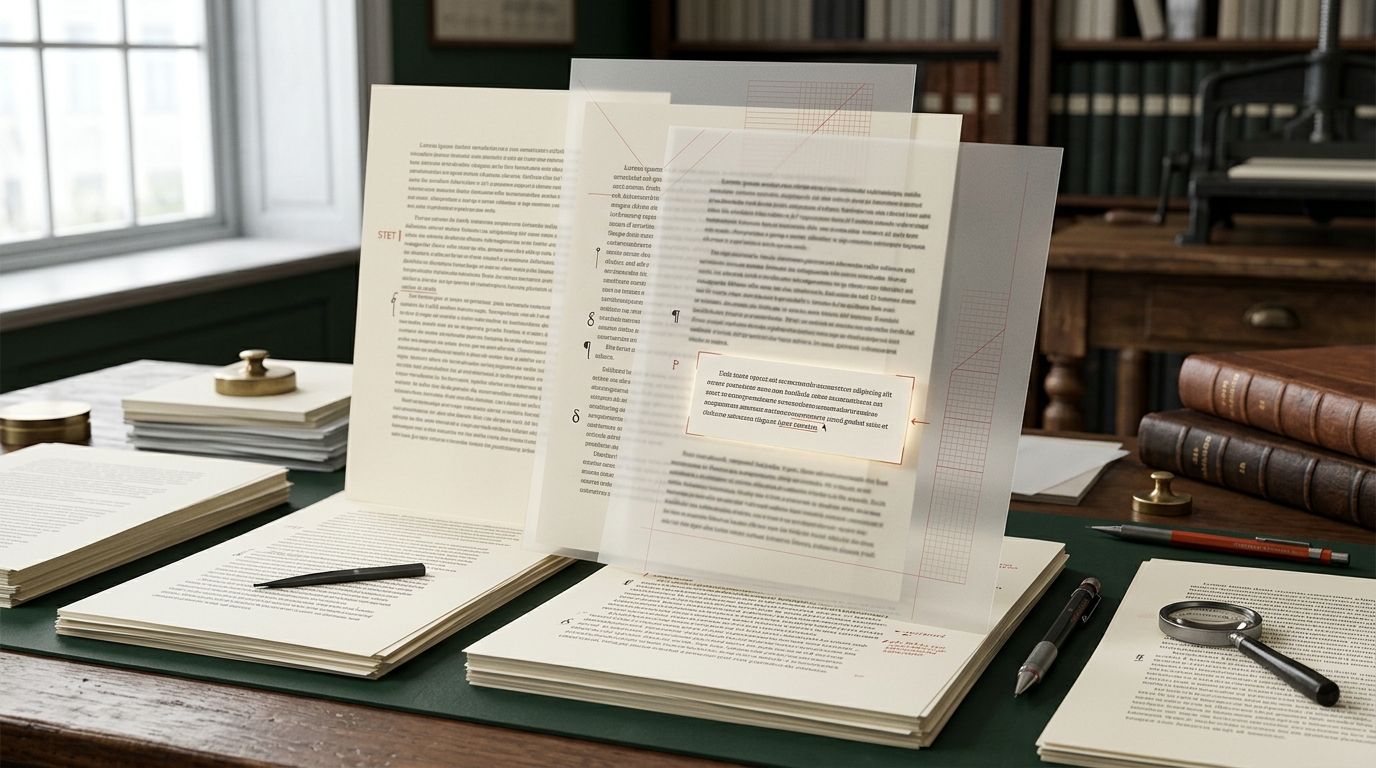
We assess the original wording, the evidence available at the time of publication and the source supporting the proposed correction. If a substantive error is confirmed, the article is amended. Where transparency would help readers understand a meaningful change, an editorial note may explain what was corrected and when.
Updates are not always corrections
Evidence, guidance and laws change. Replacing an old recommendation with newly issued official guidance does not necessarily mean the earlier article was inaccurate when written. In that situation the page may be marked as updated rather than corrected.
Report an error
Email [email protected] with the page URL, the passage concerned, why you believe it is inaccurate and, where possible, an authoritative source supporting the correction.